
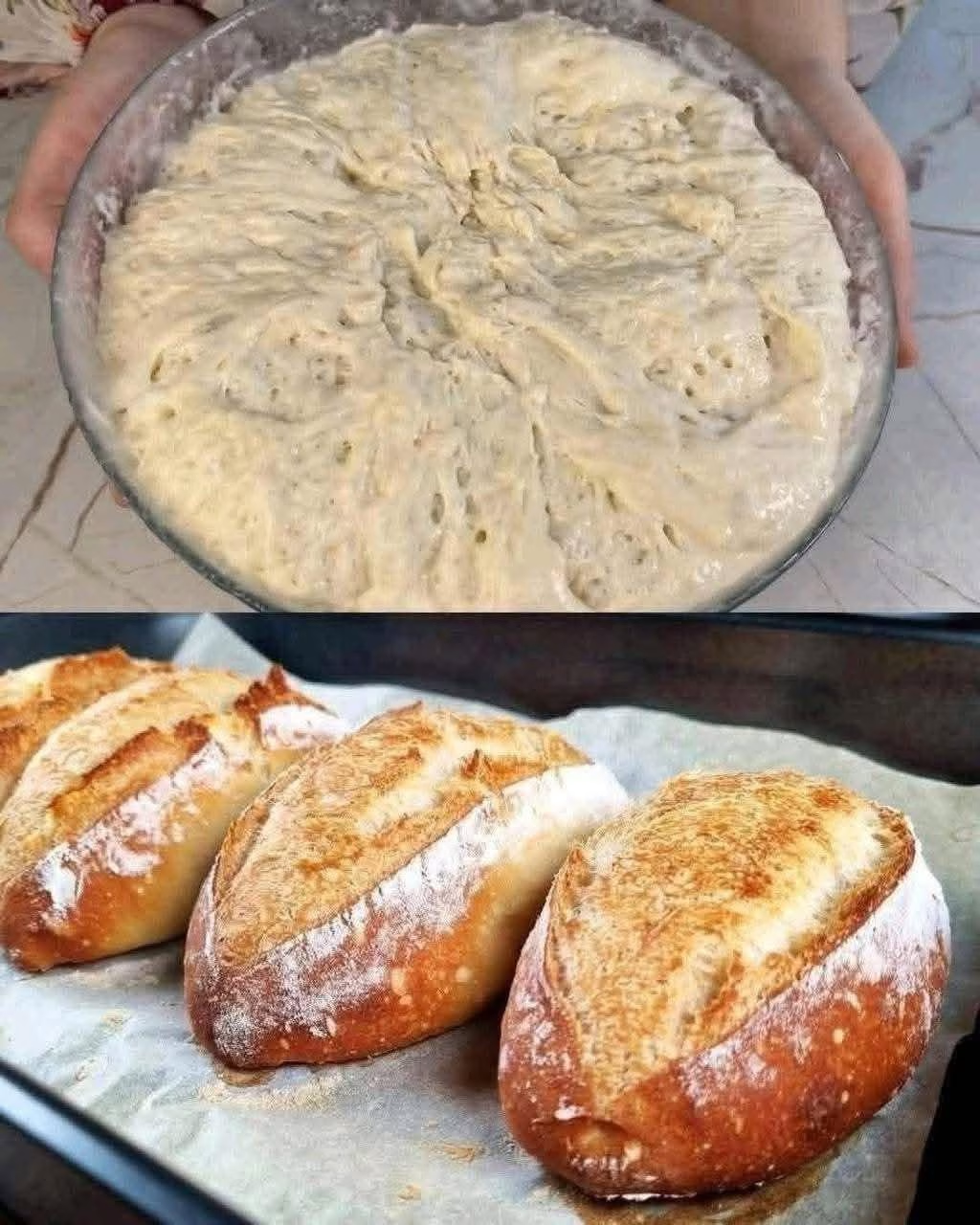

Rustic No-Knead Artisan Bread 🍞
Introduction
Rustic No-Knead Artisan Bread is a celebration of simplicity and tradition. With a crisp,
golden crust and a soft, airy interior filled with natural holes, this bread proves that
exceptional flavor doesn’t require complicated techniques. Using time instead of labor,
this recipe allows fermentation to develop structure, aroma, and depth—making it perfect
for both beginner and experienced home bakers.
History & Origins
Artisan bread dates back thousands of years, long before commercial yeast and mechanical
mixers existed. Early bakers relied on natural fermentation, patience, and simple
ingredients. The modern no-knead method became popular in the early 2000s, inspired by
European country loaves and rediscovered techniques that emphasized slow fermentation over
physical kneading. This method revolutionized home baking by making bakery-quality bread
accessible to everyone.
Ingredients
- 4 cups all-purpose or bread flour
- 1 ½ teaspoons salt
- ½ teaspoon instant or active dry yeast
- 2 cups warm water (not hot)
- Extra flour for dusting
Method Used
This bread is made using the long fermentation, no-knead method.
Instead of kneading, gluten develops naturally over time as the dough rests. This creates
excellent texture, complex flavor, and an open crumb with minimal effort.
Instructions
Step 1: Mix the Dough
- In a large bowl, combine flour, salt, and yeast.
- Add warm water and mix until a sticky, shaggy dough forms.
- Cover the bowl with plastic wrap or a clean towel.
Step 2: First Rise (Fermentation)
- Let the dough rest at room temperature for 12–18 hours.
- The dough should double in size and develop bubbles on the surface.
Step 3: Shape the Dough
- Turn dough onto a floured surface.
- Fold gently and shape into loaves.
- Place loaves on parchment-lined baking tray.
Step 4: Second Rise
- Cover and let rise for 30–45 minutes.
- Preheat oven to 450°F (230°C).
Step 5: Bake
- Score the tops lightly with a sharp knife.
- Bake for 25–30 minutes until golden brown.
- Cool on a wire rack before slicing.
Formation & Texture
During fermentation, yeast produces carbon dioxide, creating air pockets within the dough.
Water hydrates the flour proteins, forming gluten naturally. High heat in the oven causes
oven spring, expanding the loaf and forming a crisp crust while locking in moisture.
Benefits
- No kneading required
- Improved digestibility due to long fermentation
- Rich flavor with minimal ingredients
- Lower effort, bakery-quality results
- Versatile base for herbs, seeds, or whole grains
Variations
- Add rosemary or garlic for savory bread
- Incorporate whole wheat flour for rustic texture
- Add olives, cheese, or seeds
For Bread Lovers
This recipe is perfect for bread enthusiasts who appreciate slow food, crusty loaves,
and traditional baking methods. It’s ideal for pairing with soups, cheeses, olive oil,
or simply enjoyed warm with butter.
Conclusion
Rustic No-Knead Artisan Bread is proof that patience is the most powerful ingredient in
baking. With minimal effort and timeless technique, this bread delivers comfort,
character, and unmatched flavor. Whether served at family dinners or enjoyed quietly
with a cup of tea, it brings warmth and tradition to every table.