
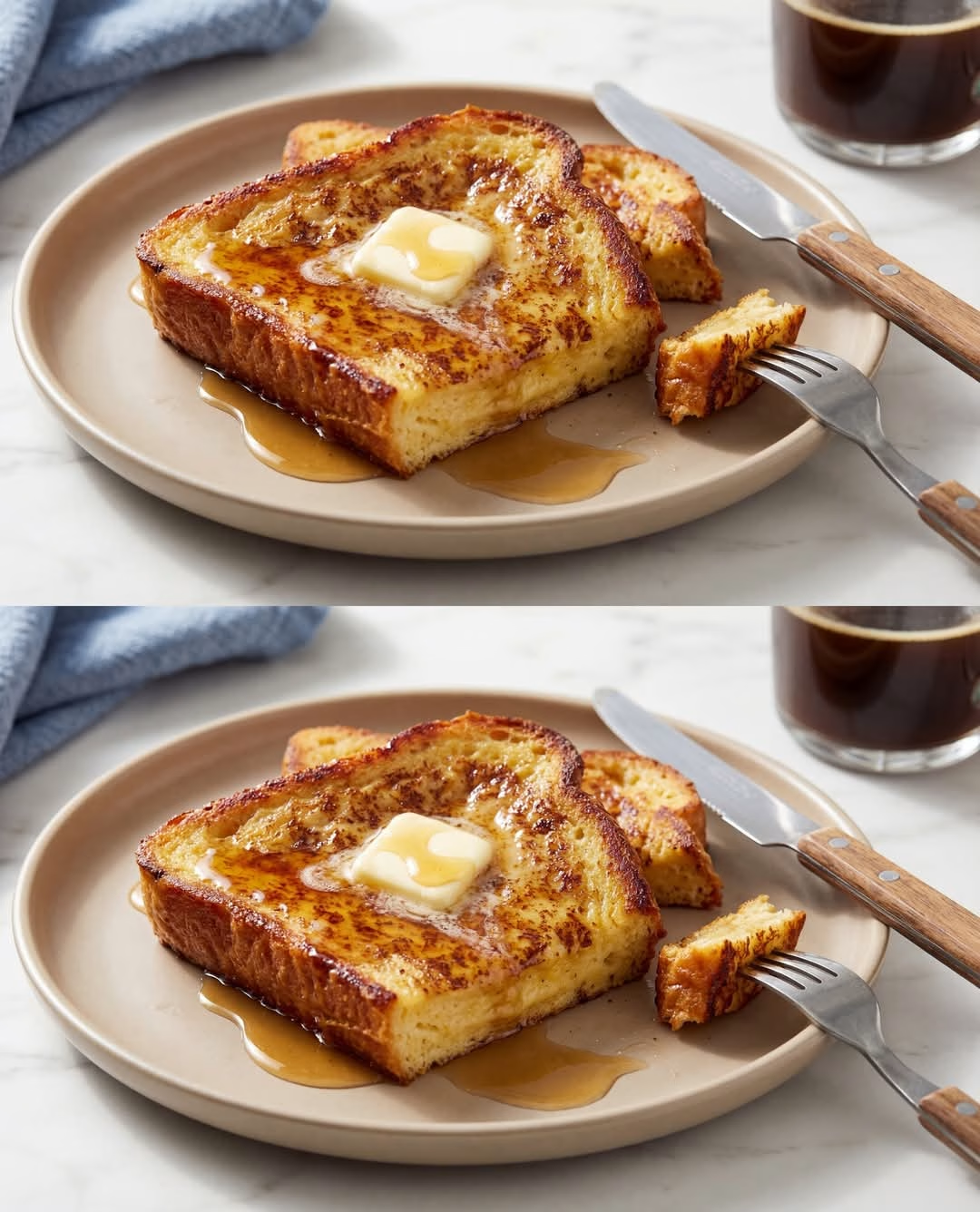

Classic French Toast – Golden on the Outside, Soft on the Inside
Introduction
French toast is one of the most beloved breakfast classics in the world. Simple, comforting, and endlessly customizable,
it turns everyday bread into a warm, custardy delight. Golden on the outside and soft on the inside, this dish has graced
breakfast tables for generations.
Whether served with maple syrup, powdered sugar, or fresh fruit, French toast is perfect for lazy weekends, family breakfasts,
or even breakfast-for-dinner nights. With just a handful of ingredients, it delivers rich flavor and nostalgic comfort.
The History of French Toast
Despite its name, French toast did not originate in France alone. Versions of this dish date back to ancient Rome, where stale
bread was soaked in milk and eggs before being fried. In France, it became known as pain perdu, meaning “lost bread,”
because it was created to use bread that would otherwise go to waste.
Over time, French toast spread across cultures, each adding its own twist. Today, it remains a symbol of comfort, thrift,
and culinary creativity.
Why This Recipe Works
This classic French toast recipe focuses on balance. The custard mixture coats the bread without overpowering it, while
medium heat ensures a golden crust and a soft, creamy center.
- Simple ingredients with rich flavor
- Quick cooking time
- Perfect texture—crispy outside, custardy inside
Ingredients
- 4–6 slices thick bread (brioche, challah, or Texas toast)
- 2 large eggs
- ½ cup milk or half-and-half
- 1 teaspoon vanilla extract
- ½ teaspoon ground cinnamon (optional)
- Pinch of salt
- Butter for cooking
Preparation & Formation
Formation is key to perfect French toast. The custard must be well mixed, and the bread should be thick enough to absorb
the liquid without becoming soggy.
- Choose slightly stale bread for better absorption.
- Use a shallow bowl to evenly coat each slice.
- Soak briefly to maintain structure.
Step-by-Step Instructions
1. Whisk the Custard
In a shallow bowl, whisk together eggs, milk, vanilla extract, cinnamon, and salt until fully combined.
2. Dip the Bread
Dip each slice of bread into the custard mixture, soaking for about 10 seconds per side. The bread should absorb the mixture
without becoming overly wet.
3. Cook the French Toast
Heat a skillet or griddle over medium heat. Melt butter, then cook each slice for 2–3 minutes per side until golden brown
and cooked through.
4. Serve
Serve hot with your favorite toppings such as maple syrup, powdered sugar, fresh fruit, or an extra pat of butter.
Cooking Methods Explained
- Skillet: Traditional method with crisp edges
- Griddle: Ideal for cooking multiple slices at once
- Oven (warm hold): Keeps cooked slices warm for serving a crowd
Health & Lifestyle Benefits
- Good source of protein from eggs
- Provides energy from carbohydrates
- Can be customized with whole-grain bread and fruit
- Reduces food waste by using stale bread
Why People Love French Toast
French toast lovers span all ages. Kids love its sweetness, adults appreciate its versatility, and home cooks value how
easy it is to prepare. It’s a dish tied to memories—weekend mornings, family breakfasts, and comforting traditions.
From classic syrup-topped slices to stuffed or baked variations, French toast continues to inspire creativity in the kitchen.
Conclusion
Classic French toast proves that simple recipes can be the most satisfying. With its rich history, comforting flavor, and
endless variations, it remains a breakfast favorite across generations.
Whether you enjoy it plain or dressed up with toppings, this timeless dish reminds us that the best meals often come from
the simplest ingredients—and a little love in the kitchen.