
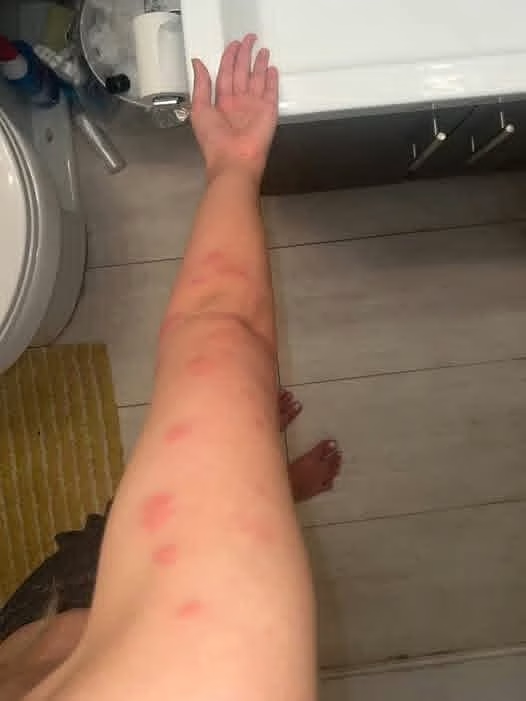

Groin Skin Irritation
Signs, Causes, and Gentle Ways to Restore Comfort (For Men & Anyone Who Shaves)
Introduction
Groin skin irritation is far more common than most people realize. Because the topic
can feel uncomfortable to discuss, early symptoms are often ignored or pushed aside.
Yet the groin is one of the most sensitive areas of the body, constantly exposed to
heat, moisture, friction, and grooming practices that can disrupt the skin barrier.
Whether irritation comes from shaving, sweating, tight clothing, or physical activity,
understanding the signs and responding gently can make a significant difference in
comfort, confidence, and long-term skin health.
A Brief History of Groin Grooming & Skin Sensitivity
Hair removal and grooming in the groin area have existed for centuries, practiced for
hygiene, cultural, or aesthetic reasons. However, modern grooming methods—especially
frequent shaving with disposable razors—have increased the likelihood of irritation.
In the past, trimming or leaving natural hair growth was more common, which helped
reduce friction. Today’s emphasis on smooth skin means the groin is more exposed than
ever, making education about skin care and irritation prevention increasingly important.
“Ingredients” for Healthy Groin Skin
Think of groin care like a gentle recipe for skin health. The right components make
all the difference.
- Breathable, loose-fitting underwear (cotton or moisture-wicking fabrics)
- Fragrance-free, mild cleanser
- Lukewarm water
- Soft towel for pat-drying
- Light, non-greasy moisturizer or barrier cream
- Sharp, clean razor (if shaving)
Methods & Step-by-Step Care Instructions
Step 1: Identify the Signs Early
Redness, itching, burning, dryness, small bumps, or discoloration are often the first
signs of irritation. Early attention prevents worsening symptoms.
Step 2: Cleanse Gently
Wash the area with lukewarm water and a mild, fragrance-free cleanser. Avoid scrubbing
or harsh soaps that strip natural oils.
Step 3: Dry with Care
Pat the skin dry using a soft towel. Rubbing can worsen irritation and inflammation.
Step 4: Moisturize and Protect
Apply a light moisturizer or barrier cream to support skin repair and reduce friction.
Choose products formulated for sensitive skin.
Step 5: Adjust Grooming Habits
If shaving, use a sharp blade, shave in the direction of hair growth, and avoid dry
shaving. Consider shaving less frequently or switching to trimming.
How Groin Irritation Forms
Groin irritation develops when the skin barrier becomes compromised. Friction,
moisture, micro-cuts from shaving, and harsh products weaken the skin’s natural
defenses. This leads to inflammation, sensitivity, and discomfort that can worsen
if not addressed.
Benefits of Gentle Groin Care
- Reduced itching, redness, and discomfort
- Lower risk of ingrown hairs and razor burn
- Healthier skin barrier and faster healing
- Improved comfort during daily activities
- Greater confidence and peace of mind
For Grooming & Skin-Care Conscious Individuals
If you value comfort, hygiene, and skin health, gentle groin care is essential.
Listening to your body and adjusting routines based on your skin’s response is
a form of self-respect—not neglect.
When to Seek Professional Advice
While most groin irritation is mild, persistent or severe symptoms should not be
ignored. Pain, swelling, open sores, unusual discharge, or spreading redness may
signal infection or other skin conditions.
If irritation does not improve with basic care, a healthcare professional can help
identify issues such as fungal infections, dermatitis, or allergic reactions.
Conclusion
Groin skin irritation is common, manageable, and nothing to be ashamed of. With early
recognition, gentle care, and thoughtful grooming habits, most irritation resolves
quickly and comfortably.
Simplicity, patience, and respect for your skin go a long way. When you care for the
groin area with the same attention as the rest of your body, comfort and skin health
naturally follow.