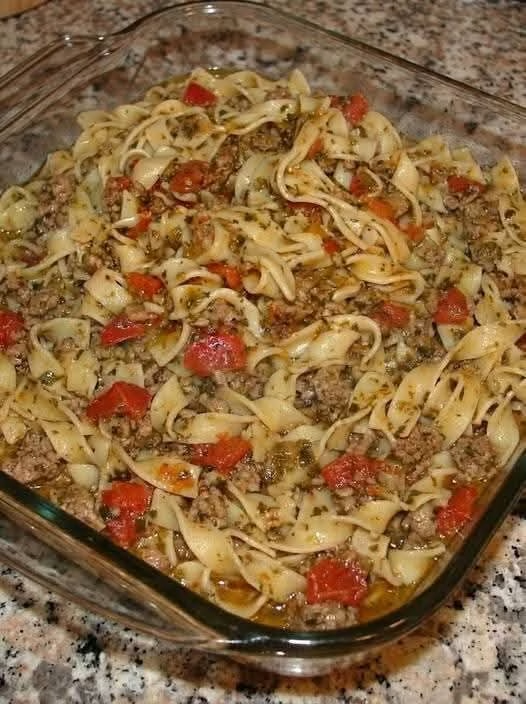

Italian-Style Drunken Noodles
A Rustic Italian Pasta Infused with Wine, Herbs, and Comfort
Introduction
Italian-Style Drunken Noodles are a warm, comforting fusion dish inspired by the Italian
tradition of cooking pasta with wine. This recipe celebrates balance rather than excess,
using wine to deepen flavor, herbs to add fragrance, and pasta to carry every delicious note.
Rustic, aromatic, and deeply satisfying, this dish is perfect for cozy family dinners,
casual gatherings, or relaxed weekend meals when you want something familiar yet exciting.
What Are Drunken Noodles?
“Drunken noodles” refers to noodles or pasta cooked with alcohol, most commonly wine.
As the wine simmers, the alcohol evaporates, leaving behind a rich, complex flavor that
enhances the sauce without overpowering it.
The Italian Influence
Italian cooking values simplicity, quality ingredients, and thoughtful technique.
Italian-Style Drunken Noodles follow this philosophy by relying on olive oil, garlic,
onions, herbs, tomatoes, and wine—ingredients that work together harmoniously.
Ingredients
Main Ingredients
- 12 oz (340 g) pasta (fettuccine, linguine, or pappardelle)
- 3 tablespoons olive oil
- 1 medium onion, sliced
- 4 cloves garlic, minced
- 1 cup dry red or white wine
- 1 can (14 oz) crushed or diced tomatoes
- 1 teaspoon dried oregano
- ½ teaspoon dried basil (or fresh if available)
- Salt, to taste
- Black pepper, to taste
Optional Add-Ins
- 1 cup mushrooms, sliced
- 1 bell pepper, sliced
- ½ teaspoon chili flakes
- Fresh basil or parsley for garnish
- Grated Parmesan cheese
- Cooked chicken or shrimp (optional protein)
Step-by-Step Instructions
Step 1: Cook the Pasta
Bring a large pot of salted water to a boil. Cook pasta until al dente according to package
instructions. Reserve ½ cup pasta water, then drain and set aside.
Step 2: Sauté the Aromatics
Heat olive oil in a large skillet over medium heat. Add onions and cook until soft and
translucent. Stir in garlic and cook for 30 seconds until fragrant.
Step 3: Add Vegetables (Optional)
If using mushrooms, peppers, or other vegetables, add them now and cook until tender.
Step 4: Deglaze with Wine
Pour in the wine, scraping the bottom of the pan to release flavorful bits.
Let simmer for 3–4 minutes to reduce slightly.
Step 5: Build the Sauce
Add tomatoes, oregano, basil, salt, pepper, and chili flakes if using.
Simmer for 8–10 minutes to allow flavors to develop.
Step 6: Combine Pasta and Sauce
Add cooked pasta to the skillet and toss to coat evenly.
Use reserved pasta water if needed to loosen the sauce.
Step 7: Finish and Serve
Remove from heat. Garnish with fresh herbs and grated cheese.
Serve hot.
Cooking Methods
- Stovetop Simmering: Builds depth and melds flavors
- Deglazing: Wine lifts flavor from the pan
- Al Dente Pasta Cooking: Maintains texture and structure
History & Inspiration
Wine has been used in Italian kitchens for centuries to enhance sauces and stews.
Italian-Style Drunken Noodles draw from this tradition, combining rustic pasta
with wine-based sauces for depth and warmth.
Benefits of Italian-Style Drunken Noodles
- Rich flavor without heavy cream
- Highly customizable
- Uses affordable pantry staples
- Balanced and satisfying
- Comforting yet elegant
Formation & Flavor Balance
This dish forms its flavor through layering—aromatics first, wine second,
tomatoes and herbs last. Each step builds complexity while maintaining harmony.
Serving Suggestions
- Serve with crusty bread
- Pair with a light green salad
- Enjoy with the same wine used in cooking
Loved By
Pasta lovers, Italian cuisine fans, home cooks who enjoy rustic comfort food,
and anyone who appreciates simple ingredients transformed into something special.
Conclusion
Italian-Style Drunken Noodles are more than just a pasta dish—they are a celebration
of thoughtful cooking. Wine adds depth, herbs add life, and pasta brings comfort.
Easy to make yet deeply satisfying, this recipe belongs in every home cook’s collection.
It is timeless, adaptable, and full of heart.
Loved By (Final Note)
Once tasted, this dish quickly becomes a favorite—warm, fragrant, and endlessly comforting.